ARNECH advances knowledge and drives innovation by providing research services and strategic consulting to organizations, institutions, and governments across Africa and beyond.
ARNECH's research and consulting directly advances the United Nations Sustainable Development Goals — from disease burden reduction and financial inclusion to knowledge equity and cross-sector partnerships for sustainable development.
Comprehensive research studies using cutting-edge methodologies across health, education, and social sciences.
Learn moreEvidence-based strategic guidance to improve projects and navigate complex challenges in evolving landscapes.
Learn moreTransforming complex data into actionable insights using advanced analytical and machine learning techniques.
Learn moreAnalyzing policies and developing frameworks for public health, education, and social policy challenges.
Learn moreCustomized training programs and mentorship initiatives that build institutional capacity for sustainable impact.
Learn moreCompelling grant proposals and funding strategies with a proven track record of successful applications.
Learn moreOur founders are supported by a distinguished advisory board, dedicated research staff, and talented interns — a growing community united by evidence and impact. Meet everyone →
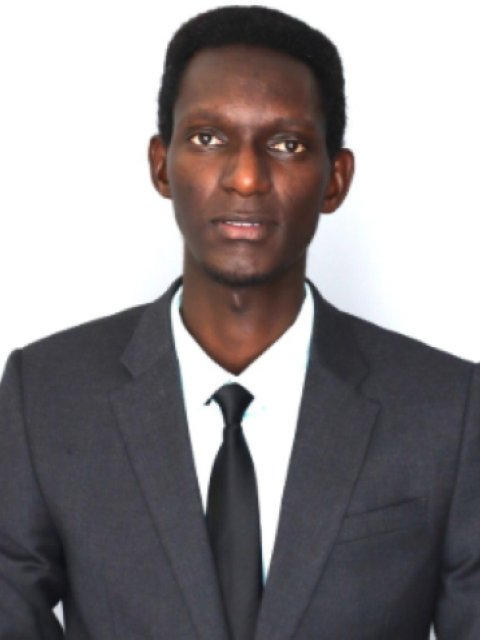
7 years in healthcare data management, M&E. Former MEL Lead at ICAP Columbia University / USAID.
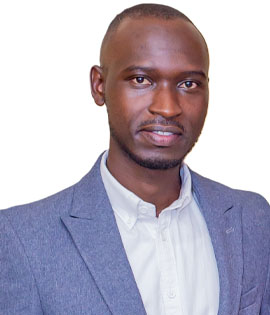
View profile7+ years in public health research. MD-Statician and Mathematical Modeller from Oxford University.Former Post-doctorate at Harvard University,AfOx fellow at Oxford Big Data Institute.Current senior GBD research collaborator at IHME .
View profile10+ years in international development and rural economics. Multilingual agricultural economist.
View profileBiostatistician & AI professional. Data Analyst Researcher at Carleton University. Expert in statistical modeling and Machine Learning.
View profileFounded by a multidisciplinary team of researchers and consultants committed to evidence-based development across Africa and globally.
ARNECH Research and Consulting advances knowledge and drives innovation by providing research services and strategic consulting to organizations, institutions, and governments. We bridge the gap between academic research and practical implementation across Africa and beyond.
Founded by a team of researchers with expertise spanning medicine, statistics, economics, and data science, ARNECH brings rigorous academic standards to real-world challenges.
Our interdisciplinary approach ensures that research findings translate into actionable policies and programs that improve lives — from reducing disease burden to strengthening financial inclusion and building community resilience.
To be a leading research and consulting organisation that transforms evidence into action for sustainable development and improved health outcomes in Africa and globally.
Rigour · Integrity · Innovation · Collaboration · Impact
Burundi · East Africa · Sub-Saharan Africa · Europe · North America
ARNECH operates under a framework of institutional policies designed to safeguard the people we work with, protect the data we handle, and ensure accountable, equitable delivery on every engagement.
ARNECH maintains a safeguarding policy covering the protection of children, youth, and other vulnerable participants involved in our research, evaluations, and training activities. It sets out our code of conduct for staff and enumerators, reporting and referral procedures for concerns, and requirements for field teams working directly with communities — reflecting the standards expected across our sexual and reproductive health, education, and humanitarian evaluation work. Aligned with the Core Humanitarian Standard, Keeping Children Safe standards, and IASC PSEA minimum standards.
Download PDF ↓Given ARNECH's work with health survey data, DHIS2 systems, and household-level information, we apply a data protection policy governing secure collection, storage, anonymisation, and retention of respondent and beneficiary data. This includes controls on data access, alignment with client and donor data-sharing agreements, and safeguards for personally identifiable information throughout the research lifecycle. Aligned with GDPR principles and WHO data governance guidance.
Download PDF ↓ARNECH is committed to gender equity and inclusion in both its research practice and its own institutional composition — from equitable field team staffing to the integration of gender-disaggregated analysis across our health, financial inclusion, and social policy studies. Our Economic & Social Business Unit and Global Health Policy Unit incorporate gender-sensitive methods as standard practice, not an add-on. Assessed against the OECD-DAC Gender Equality Policy Marker.
Download PDF ↓ARNECH is led by its Co-Founders and a Scientific & Strategic Advisory Board (see Team) that provides oversight across research quality, ethics, and strategic direction. Unit heads report through this structure, ensuring accountability from field implementation through to institutional leadership.
Registration certificates and financial statements are available on request for prospective partners and funders as part of due diligence. Contact us to request documentation.
Our annual report summarises ARNECH's project portfolio, institutional development, and financial overview for the year. Download the latest edition below.
Download Annual Report (PDF)A visual record of ARNECH's fieldwork, training programmes, and events across Burundi and East Africa.
From study design to policy implementation — comprehensive support across the research and consulting lifecycle.
We design and execute comprehensive research studies using cutting-edge methodologies. Our interdisciplinary approach ensures robust findings that inform policy and practice across health, education, and social sciences. We cover qualitative, quantitative, and mixed-methods designs.
Expert consultants provide strategic guidance to organisations seeking to improve their projects, implement evidence-based practices, and navigate complex challenges. We support NGOs, governments, international agencies, and private sector actors.
We transform complex data into actionable insights using advanced analytical techniques — statistical modelling, machine learning, and data visualisation — helping clients make informed decisions grounded in solid evidence.
We analyse existing policies and develop new frameworks addressing contemporary challenges. Our expertise spans public health, education, and social policy, with a special focus on low- and middle-income country contexts.
Customised training programs, workshops, and mentorship initiatives that strengthen local capabilities and ensure sustainable impact. We design bespoke curricula aligned to organisational needs and local contexts.
Our experienced team assists organisations in securing funding through compelling grant proposals and funding strategies. We have a proven track record of successful applications to major international funding agencies.
End-to-end M&E framework design, implementation, and reporting. We build systems for routine data collection, indicator tracking, and programme performance assessment aligned to donor and government requirements.
Mathematical and statistical models for infectious disease dynamics, outbreak analysis, and epidemic forecasting. We provide scenario-based analyses to support public health decision-making and resource allocation.
Development of health information systems, digital tools, and innovative technologies for improving healthcare delivery in resource-limited settings, including mobile health and data management platforms.
A multidisciplinary community of founders, advisors, researchers, and emerging talent — united by a commitment to rigorous evidence and sustainable impact.
7 years in healthcare data management, analysis, and M&E. MEL Lead for HIV Care at ICAP Columbia University / USAID (2023–2025).
View full profile6+ years in public health research. MD (University of Burundi), MSc Modelling for Global Health (Oxford), Post-doctorate (Harvard).
View full profile10+ years in international development, rural economics, and agriculture. Multilingual expert in impact evaluation and financial inclusion.
View full profile10+ years in biostatistics, data science, and AI. Experienced research analyst (Carleton University). Expert in statistical modelling and machine learning.
View full profileOur advisory board brings world-class expertise in public health, monitoring & evaluation, and development planning — providing strategic guidance that sharpens ARNECH's scientific rigour and operational impact.
Specialist in strategic planning and institutional development, bringing extensive experience in programme design and national planning frameworks to support ARNECH's research and consulting operations.
View full profileCurrently Monitoring, Evaluation and Assessments Specialist for the Global Community Engagement and Resilience Fund (GCERF), covering the Sahel Region and Sri Lanka. Previously worked with organisations across Ghana, South Sudan, and Burundi. His research focuses on participatory evaluation methods that enhance inclusivity and empower communities..
View full profileDistinguished professor and senior research advisor to ARNECH. A longstanding scientific collaborator, Prof. Barankanira has co-authored research on glycaemic control, antenatal care, and health systems in Burundi, providing academic mentorship and senior scientific oversight to the team.
View full profileData Engineer and BI Developer based in Strasbourg, France, with a Master's in Applied Econometrics & Data Science from Université de Lille. Brings expertise in SQL, Power BI, ETL pipelines, and data-driven decision support to ARNECH's analytics and research infrastructure.
View full profileMedical Doctor with over 10 years of experience in paediatrics. WHO TDR alumnus and Harvard Medical School-trained, bringing exceptional clinical and global health expertise to ARNECH's advisory board.
View full profileProvides scientific advisory guidance to ARNECH, supporting the rigour and direction of the organisation's research programme.
View full profileOur growing team of researchers and analysts brings specialised skills across biostatistics, economics, and global health — working alongside founders on active projects and client engagements.
Research associate at ARNECH, involved in strategic consulting , and research implementation across development and social science projects in Burundi and the wider region.
View full profileAdministrative and Finance Associate contributing to ARNECH’s financial management and operational administration across client engagements. Supports budgeting, financial reporting, and human resources processes under the guidance of the advisory and founding teams.
View full profileResearch associate contributing to ARNECH's active projects across global health and data analytics. Supports study design, data collection, and analytical workflows under the guidance of the founding team.
View full profileEconomist with training from the University of Oxford and experience at the World Bank. She's expert in development economics, quantitative analysis, and international development finance in ARNECH's economic and social research unit.
View full profileARNECH welcomes interns from diverse academic backgrounds, offering hands-on experience in research and consulting alongside our expert team.
Under the MiOra internship programme, these interns contributed to a project examining minority groups' participation in clinical trials in the United States.
Intern ·2024-2025.MiOra Programme · BSc in Statistics, Lake Tanganyika
Intern ·2024-2025. MiOra Programme.MD candidate,Medicine,Kamenge Teaching Hospital
Intern ·2024-2025. MiOra Programme · MD Candidate,Medicine, Kamenge Teaching Hospital
Intern ·2024-2025. MiOra Programme.MD candidate,Medicine,Kamenge Teaching Hospital
Intern ·2024-2025.MiOra Programme · BSc in Statistics, Lake Tanganyika
Intern ·2024-2025. MiOra Programme.MD candidate,Medicine,Kamenge Teaching Hospital
Interested in joining our team as a researcher, consultant, or intern?
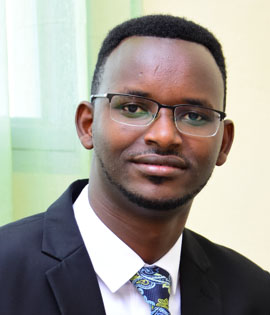
Nestor Ntakaburimvo is a results-oriented professional with 7 years of experience in healthcare data management, analysis, and Monitoring, Evaluation & Learning (MEL) practices. He co-founded ARNECH with a vision to translate rigorous data systems into actionable health programme insights across Burundi and the wider region.
His career has spanned major USAID-funded programmes, where he developed and managed comprehensive data pipelines, led indicator reporting, and supported evidence-based programme adaptation at scale. Nestor is known for his ability to bridge technical data expertise with strategic programme management.
Dr. Arnaud Iradukunda is a leading researcher with over 7 years of experience in clinical and public health research, and consulting. As co-founder and Research Coordinator of ARNECH, he directs the organisation's scientific strategy and ensures methodological rigour across all research programmes.
Trained at some of the world's most prestigious institutions — including the University of Oxford and Harvard University — Dr. Arnaud specialises in mathematical modelling for global health, disease epidemiology, and evidence-based policy development. He has contributed to landmark publications in journals including The Lancet, The Lancet Neurology, and BMC Infectious Diseases.
Gildas Irakoze is a seasoned Monitoring, Evaluation and Learning Specialist with over 10 years of experience in international development, rural economics, and agricultural development. As Lead of ARNECH's Social and Economic Business Unit, he brings a uniquely multidisciplinary perspective to economic analysis, social business models, and sustainable financing across sub-Saharan Africa.
A multilingual professional, Gildas has worked across Burundi and East Africa on programmes spanning smallholder agriculture, financial inclusion, poverty reduction, and cooperative economic development. His dual expertise in agricultural business economics and social solidarity economics makes him exceptionally well-placed to bridge micro-level community dynamics with macro development strategies.
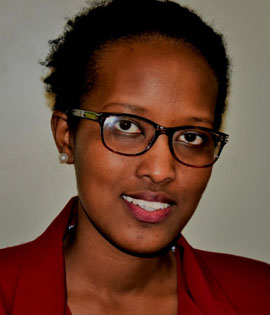
Cheilla Izere is a Biostatistician, Data Manager, and AI professional with deep expertise in statistical modelling and artificial intelligence applications in global health research. As co-founder and AI lead at ARNECH, she drives the organisation's data science and digital health innovation capabilities.
Cheilla's career has spanned academic research institutions and clinical research settings in Canada and France. Her work applies advanced statistical methods and machine learning to complex health datasets, enabling more precise and actionable research insights. She is committed to making data science accessible and impactful in resource-limited settings.
Faustin Habimana is a seasoned expert in planification and strategic institutional development, with a distinguished career advising governments, development organisations, and research institutions in Burundi and the broader East African region. His deep expertise in programme design and national planning frameworks makes him an invaluable strategic guide for ARNECH's research and consulting operations.
As a member of ARNECH's Advisory Board, Faustin provides senior counsel on strategic positioning, programme architecture, and the alignment of ARNECH's work with national development priorities and international development frameworks. His perspective bridges government planning processes with the evidence-based approach that defines ARNECH's work.
Emmanuel Nene Odjidja is an accomplished Monitoring, Evaluation and Assessments (MEA) Specialist with extensive international experience across fragile and conflict-affected settings. MEAL Specialist at the Global Community Engagement and Resilience Fund (GCERF) — covering the Sahel Region and Sri Lanka — he brings a sophisticated, practice-informed perspective to evaluation methodology and programme learning.
Emmanuel's career spans multiple countries and organisations, including work in Ghana, South Sudan, and Burundi, where he has developed and applied innovative evaluation approaches tailored to complex, community-level interventions. His research interests centre on participatory evaluation methods that move beyond extractive assessment to genuinely empower communities and promote inclusive learning.
As a Section Editor (Case Studies) for the Journal of Multidisciplinary Evaluation, Emmanuel bridges rigorous academic inquiry and applied field practice — a combination that makes him an exceptionally valuable advisor to ARNECH's M&E and research quality agenda.
Professor Emmanuel Barankanira is a distinguished academic and epidemiologist with decades of experience in public health research in Burundi. As Senior Research Advisor to ARNECH, he provides scientific mentorship and senior oversight, ensuring that ARNECH's research meets the highest standards of academic rigour and methodological integrity.
A longstanding collaborator of the ARNECH founding team, Prof. Barankanira has co-authored published research spanning glycaemic control, antenatal care, and health systems in Burundi. His breadth of expertise across epidemiology, biostatistics, and reproductive health makes him a guiding scientific voice for the organisation's research agenda, particularly in the Burundian context.
Egide Ngendakumana is a Data Engineer and Business Intelligence Developer based in Strasbourg, France, combining strong technical expertise in data infrastructure with a rigorous academic foundation in applied econometrics and data science. He holds a Master 2 (M2) in Econométrie Appliquée et Data Science from the Université de Lille, one of France's leading research universities.
With hands-on proficiency across the full data pipeline — from extraction and transformation to visualisation and decision-support — Egide brings to ARNECH's advisory board a distinctive capacity to bridge the gap between raw data and actionable research intelligence. His expertise in SQL, Power BI, and ETL development directly strengthens ARNECH's data management, analytics, and reporting capabilities across its research and consulting engagements.
Dr. Alan Ahishakiye is a Medical Doctor with over a decade of specialised experience in paediatrics and child health. A WHO TDR (Tropical Diseases Research) alumnus and Harvard Medical School-trained physician, he brings an exceptional combination of clinical excellence, global health expertise, and research rigour to ARNECH's Advisory Board.
His background spans frontline paediatric care and international health research, having been shaped by two of the world's foremost institutions in global health: the World Health Organization's Special Programme for Research and Training in Tropical Diseases (TDR), and Harvard Medical School. This dual grounding in evidence-based medicine and tropical disease research makes him a uniquely valuable advisor to ARNECH's health-focused research and evaluation work.
Dr. Ahishakiye's advisory contribution to ARNECH draws on more than 10 years of direct paediatric and clinical experience, informing the organisation's engagement with child health outcomes, health systems research, and the application of rigorous clinical evidence to development contexts.
Emery Manirambona serves as Scientific Advisor to ARNECH, based in the United Kingdom, contributing to the scientific direction and rigour of the organisation's research programme.
Axel Keza is a research associate at ARNECH, contributing to active projects across global health and data analytics. Working closely with ARNECH's founding team, Axel supports the full research lifecycle — from study design and data collection through to analytical workflows and reporting — gaining hands-on experience across multiple research domains.
His role at ARNECH represents a commitment to developing the next generation of African researchers, building practical research skills in a rigorous and collaborative environment grounded in real-world health challenges in Burundi and the wider region.
Elysee Mfisumukiza is a research associate at ARNECH, specialising in fieldwork, data management, and research implementation. His work spans health and social science projects across Burundi and the wider region, where his local knowledge, community relationships, and multilingual capabilities are essential assets for ARNECH's on-the-ground research activities.
Elysee's engagement with communities at the field level ensures that ARNECH's data collection processes are conducted with cultural sensitivity, methodological rigour, and respect for participants. His role is central to maintaining the quality and integrity of primary data that underpins ARNECH's research outputs.
Ange Nisabwe is an Administrative and Finance officer at ARNECH at ARNECH, specialising in Accounting and Financing.
Chelysea Irakoze is development economist with academic training from the University of Oxford and professional experience as Economic Policy constultant at the World Bank (Economic Policy Unit) and Monitoring and Evaluation at World Food Program. She brings rigorous quantitative analytical skills and international development finance expertise to ARNECH's Economic and Social Business Unit, enriching the team's capacity to conduct high-quality economic research and policy-relevant analysis.
Her combination of elite academic training and hands-on experience at one of the world's leading development institutions positions Chelysea to bridge economic theory with practical development programming — an asset that strengthens ARNECH's research on financial inclusion, poverty reduction, and socioeconomic inequality in Burundi and beyond.
Roaa Tahaa is a Global Health Research Intern at ARNECH, gaining hands-on experience in public health research alongside the ARNECH team. Her internship provides exposure to real-world research design, data analysis, and evidence synthesis in a multidisciplinary global health context.
ARNECH's internship programme is designed to give talented emerging researchers meaningful research experience on active projects — developing the practical skills, analytical rigour, and research ethics grounding needed for careers in global health and development. Roaa has co-contributed to ongoing research at ARNECH including published collaborative work in international journals.
ARNECH offers internship opportunities in Global Health, Data Science, Economics, and M&E. Applications are reviewed on a rolling basis.
Seven interdisciplinary units covering the full spectrum of public health, social science, data science, and digital innovation.
Statistical & Mathematical modelling of infectious diseases — Measles, Malaria, Tuberculosis. Real-time outbreak analysis and epidemic forecasting for public health decision-making.
Unit detailsM&E framework development, impact evaluation, and programme assessment. Designs effective systems for routine data collection and analysis aligned to international standards.
Unit detailsAdvanced statistical analysis and AI applications in health research. Data management, statistical modelling, and machine learning for global health solutions.
Unit detailsAdvancing health systems strengthening, policy analysis, and international health governance through the integration of artificial intelligence, data science, and digital health solutions. This unit leverages health information systems, advanced analytics, and innovative technologies to generate evidence-based policy recommendations and improve healthcare delivery, particularly in resource-limited settings.
Unit detailsEconomic analysis, social business development, and sustainable financing models. Financial inclusion, poverty reduction, and socio-economic impact assessments.
Unit detailsThis unit strength the local GBD research colllaborator network working on burden estimation, comparative risk assessment, health metrics, and data science approaches to inform evidence-based policy, resource allocation, and priority setting.
Unit detailsMathematical modelling and epidemiological analysis to forecast disease trajectories and inform public health responses.
The Modelling & Simulation Unit applies cutting-edge mathematical and statistical methods to understand and predict the behaviour of infectious diseases in human populations. By developing compartmental models (SIR, SEIR, and their extensions), the unit provides scenario-based analyses that directly inform public health planning, resource allocation, and policy development.
Led by Dr. Arnaud Iradukunda, whose Oxford MSc focused specifically on modelling for global health, the unit has active projects on tuberculosis (including the impact of COVID-19 on TB dynamics and the potential of the M72/AS01E vaccine), malaria elimination strategy modelling, and broader epidemiological surveillance work.
Designing and implementing rigorous M&E systems that transform programme data into evidence for learning and decision-making.
The Monitoring & Evaluation Unit is one of ARNECH's most established divisions, drawing on deep practical experience from major USAID-funded health programmes in Burundi and the wider East African region. The unit specialises in designing fit-for-purpose M&E systems that generate reliable evidence to guide programme management, donor reporting, and policy influence.
Led by Nestor Ntakaburimvo, whose career has spanned MEL roles at ICAP Columbia University and Pathfinder International, the unit brings a practitioner's understanding of what M&E looks like under real-world conditions — balancing rigour with feasibility in resource-constrained environments.
Quantifying disease burden, risk factors, and health outcomes through advanced epidemiological modelling, data science, and global health metrics.
The GBD Estimation Unit aims to : 1) Organize and Intergrate local data in GBD Estimations ,2)Strengthen local network in GBD research and collaboration , and 3)Promote translation of GBD research evidence into Resource Allocation and Burden Tackling.
Team members are specialized in the quantification and analysis of population health using standardized global metrics.
By integrating epidemiological methods, statistical modelling, and large-scale health datasets, the unit generates robust estimates of disease burden, mortality, morbidity, and risk factor attribution across different populations and time periods.
Building on expertise in local and global collaborations in GBD estimations , the GBD unit will apply methods aligned with the Global Burden of Disease framework, including disability-adjusted life years (DALYs), years of life lost (YLLs), and years lived with disability (YLDs). These approaches support evidence-based decision-making, priority setting, and strategic health planning at national and international levels.
Harnessing statistical rigour and artificial intelligence to unlock insights from complex health data.
The AI & Data Science Unit sits at the technical heart of ARNECH, providing the technical and analytical foundation for all of the organisation's research activities. Led by Cheilla Izere — a trained biostatistician and AI professional with experience at Carleton University (Canada) and Centre Jean Perrin (France) — the unit delivers advanced statistical analysis and cutting-edge AI solutions tailored to health research contexts.
The unit is committed to making data accessible and actionable in low- and middle-income country settings, bridging the gap between frontier methodology and practical programme implementation.
Translating research evidence into health policies that strengthen systems and improve population health outcomes.
The Global Health Policy Unit focuses on the translation of research evidence into actionable health policy at national, regional, and international levels. The unit works with ministries of health, international organisations including WHO, and development agencies to strengthen health governance frameworks and accelerate the adoption of evidence-based interventions.
With active partnerships with the Burundi Ministry of Health and WHO Burundi, the unit has direct channels to policy processes, ensuring that ARNECH research findings influence real decisions that affect population health.
Designing and deploying digital solutions that overcome barriers to quality healthcare in resource-limited settings.
The Digital Health Innovation Unit develops and evaluates digital solutions that improve healthcare delivery, strengthen health information systems, and empower communities and providers in resource-limited settings. The unit combines expertise in software design, health informatics, and implementation science to ensure that digital tools are not only technically sound but contextually appropriate and sustainably adopted.
Analysing economic systems, building social enterprises, and developing sustainable financing strategies for development impact.
The Economic & Social Business Unit, led by Gildas Irakoze, focuses on the intersection of economic development, social entrepreneurship, and sustainable financing in sub-Saharan Africa. The unit undertakes rigorous quantitative and qualitative research to understand how economic systems function for (and against) marginalised communities, and develops practical models to improve financial inclusion and economic resilience.
With a particular focus on Burundi and the Great Lakes region, the unit's work spans mobile money and digital finance, cooperative economics, agricultural value chains, and poverty analysis — generating evidence that informs national policy and international development programming.
Active research projects advancing knowledge across tuberculosis, malaria, financial inclusion, and vaccine policy.
Analysing the impact of the COVID-19 pandemic on tuberculosis mortality and drug resistance patterns in Burundi, generating evidence for post-pandemic TB programme recovery strategies.
Exploring mobile money's role in financial inclusion with gender and location perspectives in Burundi — understanding who benefits and what barriers remain for unbanked populations.
Developing mathematical models to inform malaria control and elimination strategies for Burundi, with scenario-based analysis for 2027 and 2030 national targets.
Peer-reviewed publications, working papers, and research contributions from the ARNECH team.
We seek talented researchers and professionals committed to advancing knowledge and driving innovation in global health and development.
An opportunity for students in Public Health, Epidemiology, or related fields to gain hands-on experience in health research and statistical analysis. Interns work alongside senior researchers on active projects and develop practical skills in research design, data collection, and analysis.
We are looking for an MSc-level data scientist with proficiency in R and Python and experience in statistical modelling. The role involves leading data analysis on health research projects, developing machine learning models, and building data visualisation tools for research outputs and client deliverables.
A BSc/MSc-qualified professional with experience in project evaluation and impact assessment. The M&E Officer will support the design and implementation of monitoring systems, conduct data quality assessments, and contribute to evaluation reports for international donors and government partners.
Send your CV and cover letter to careers@arnechresearch.com
We review applications on a rolling basis. Early applications are encouraged.
Whether you have a research question, consulting need, or partnership proposal — we'd love to hear from you.
ARNECH's research, consulting, and capacity-building work directly advances five UN Sustainable Development Goals across health, economics, education, and equity in Africa and beyond.
Good Health & Well-Being is the core of ARNECH's scientific mission. Through epidemiological research, mathematical modelling, and evidence synthesis, we generate knowledge that directly informs health policy and programme design in Burundi, East Africa, and globally.
ARNECH led a case-control study on TB mortality and multidrug resistance before and during COVID-19 in Burundi (published in BMC Infectious Diseases, 2025), generating critical evidence for national TB programme recovery. The team also modelled the impact of the M72/AS01E TB vaccine candidate, providing scenario-based projections under different coverage assumptions to support national immunisation planning.
ARNECH is developing mathematical models to inform Burundi's malaria control and elimination strategy aligned to the 2027 and 2030 national targets. These dynamic transmission models incorporate spatio-temporal heterogeneity and intervention coverage to support resource allocation decisions by the Ministry of Health.
Team members have contributed to landmark Global Burden of Disease studies in The Lancet covering hypertension, stroke, diabetes, and antimicrobial resistance. ARNECH's own research established prevalence rates and risk factors for hypertension in Burundi (PLOS ONE, 2021) and profiled NCD burden for national planning.
Research on neonatal survival and determinants of newborn mortality in Burundi (2024), antenatal care spatial distribution and predictors (2023), and transfusion-transmitted infections in blood donors (2024) directly supports maternal and child health programme design in partnership with the Burundi Ministry of Health and ABUBEF.
ARNECH conducted a spatio-temporal analysis of community-directed ivermectin treatment coverage in Burundi in support of the WHO 2030 NTD roadmap, identifying geographic gaps and informing programme targeting strategies.
ARNECH's Economic & Social Business Unit, led by Gildas Irakoze, examines the structural drivers of poverty in Burundi and the Great Lakes region, with a focus on financial systems, gender equity, and inclusive economic design.
Funded by the African Economic Research Consortium (2024–2025), ARNECH is examining mobile money's role in financial inclusion with gender and location-disaggregated perspectives. An earlier study (Research Square, 2022) explored financial inclusion and gender patterns in poverty reduction in Burundi, contributing to evidence-based financial sector reform.
In partnership with international researchers, ARNECH contributed to difference-in-difference evaluations of integrated nutrition interventions and baseline assessments of infant and child health status (BMC Nutrition, 2020), linking economic vulnerability to early childhood outcomes.
ARNECH applies cooperative and social solidarity economy models to support smallholder farmers, women's savings groups, and rural cooperatives in Burundi — translating economic research into practical tools for poverty reduction.
ARNECH invests in strengthening research education and scientific literacy through formal training programmes, academic partnerships, and structured mentorship initiatives that support early-career researchers, alongside community knowledge access and capacity-building initiatives.
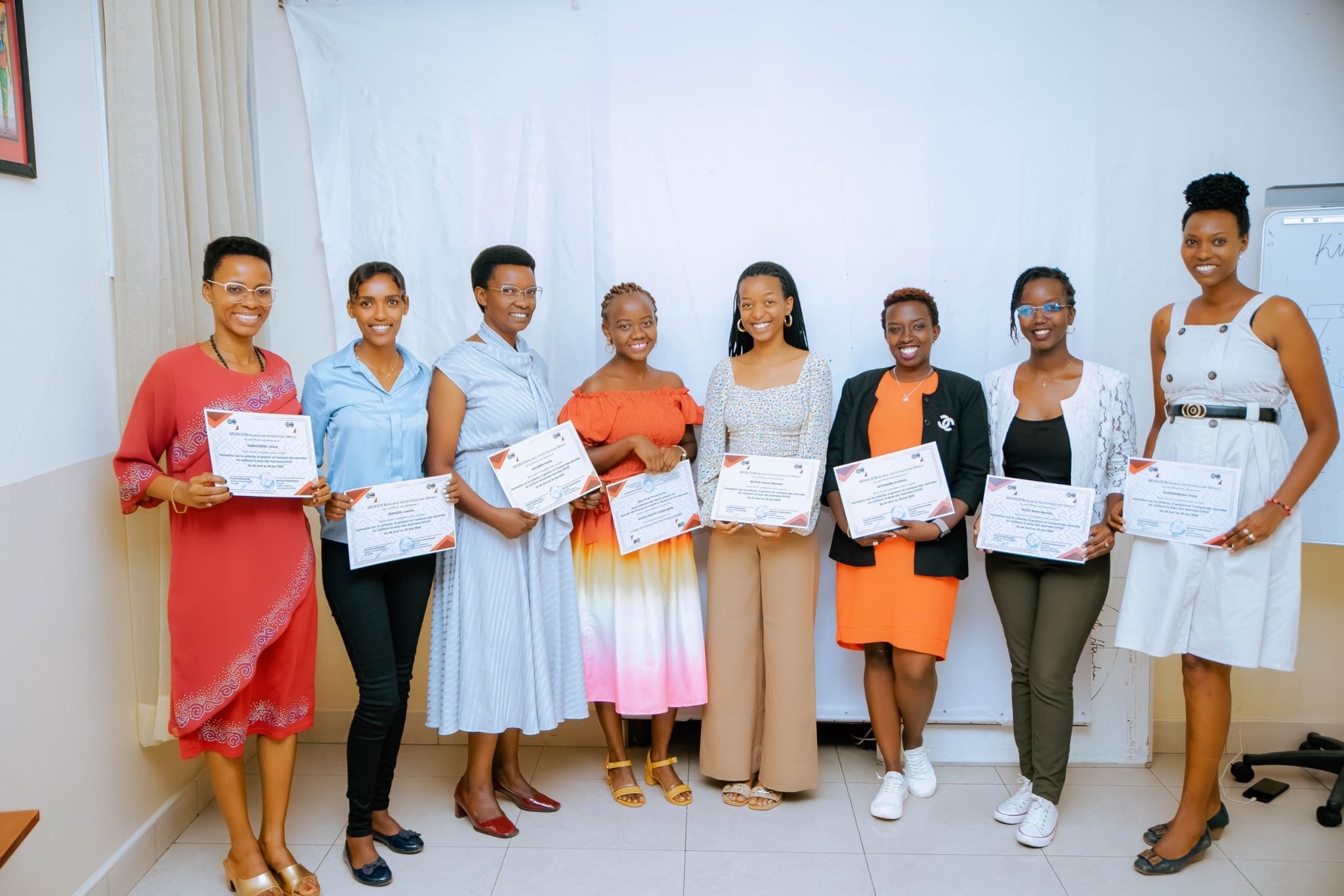
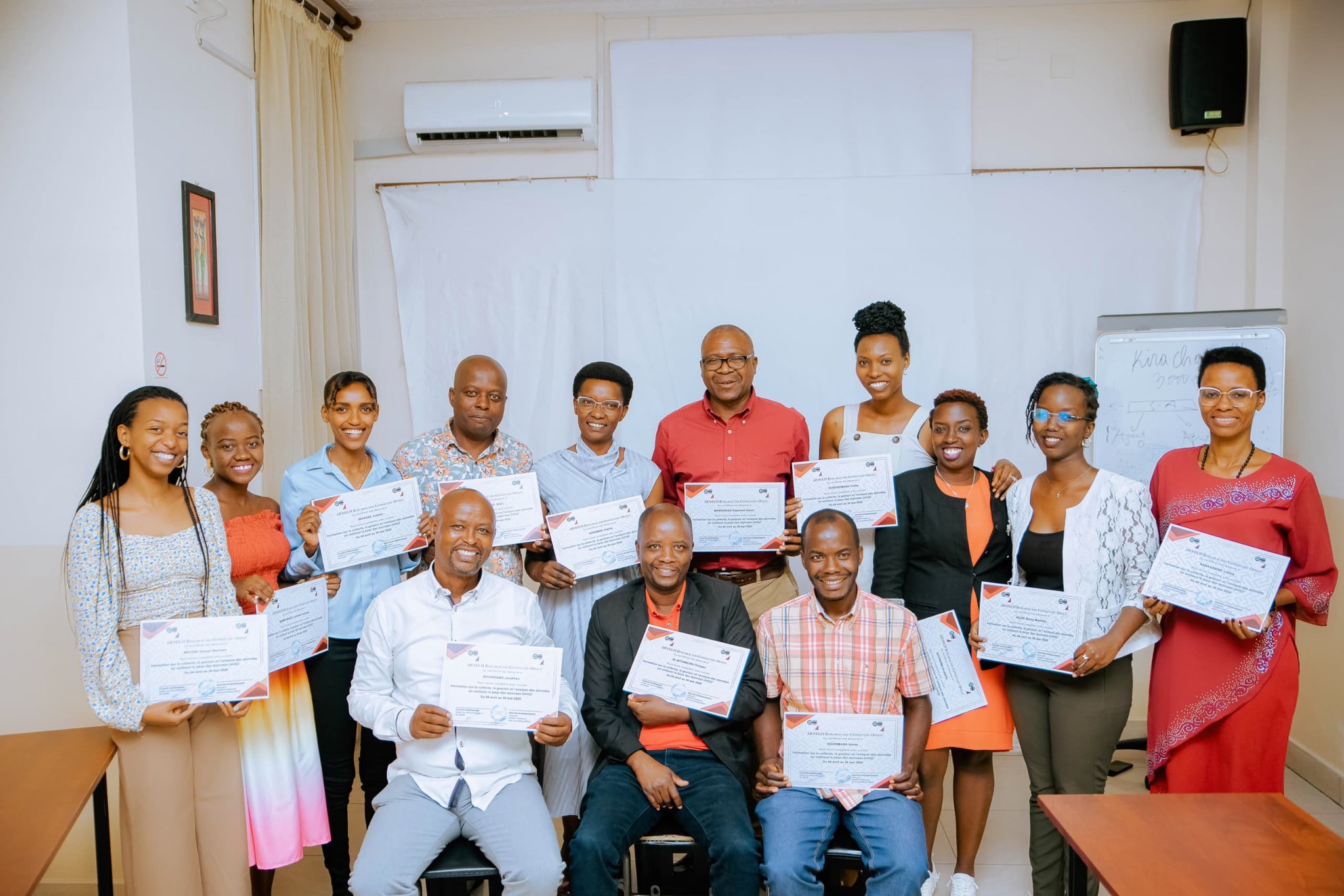
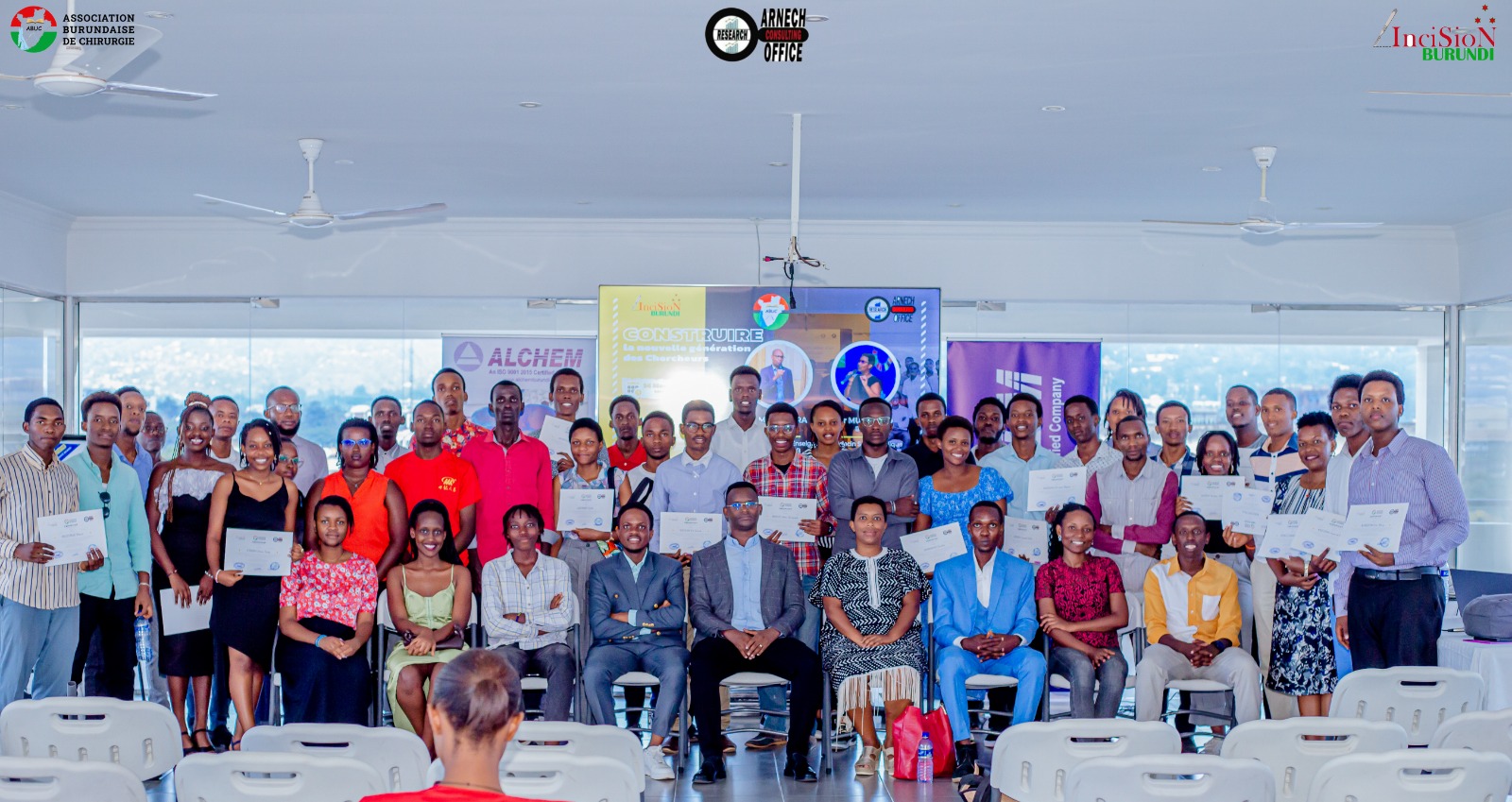
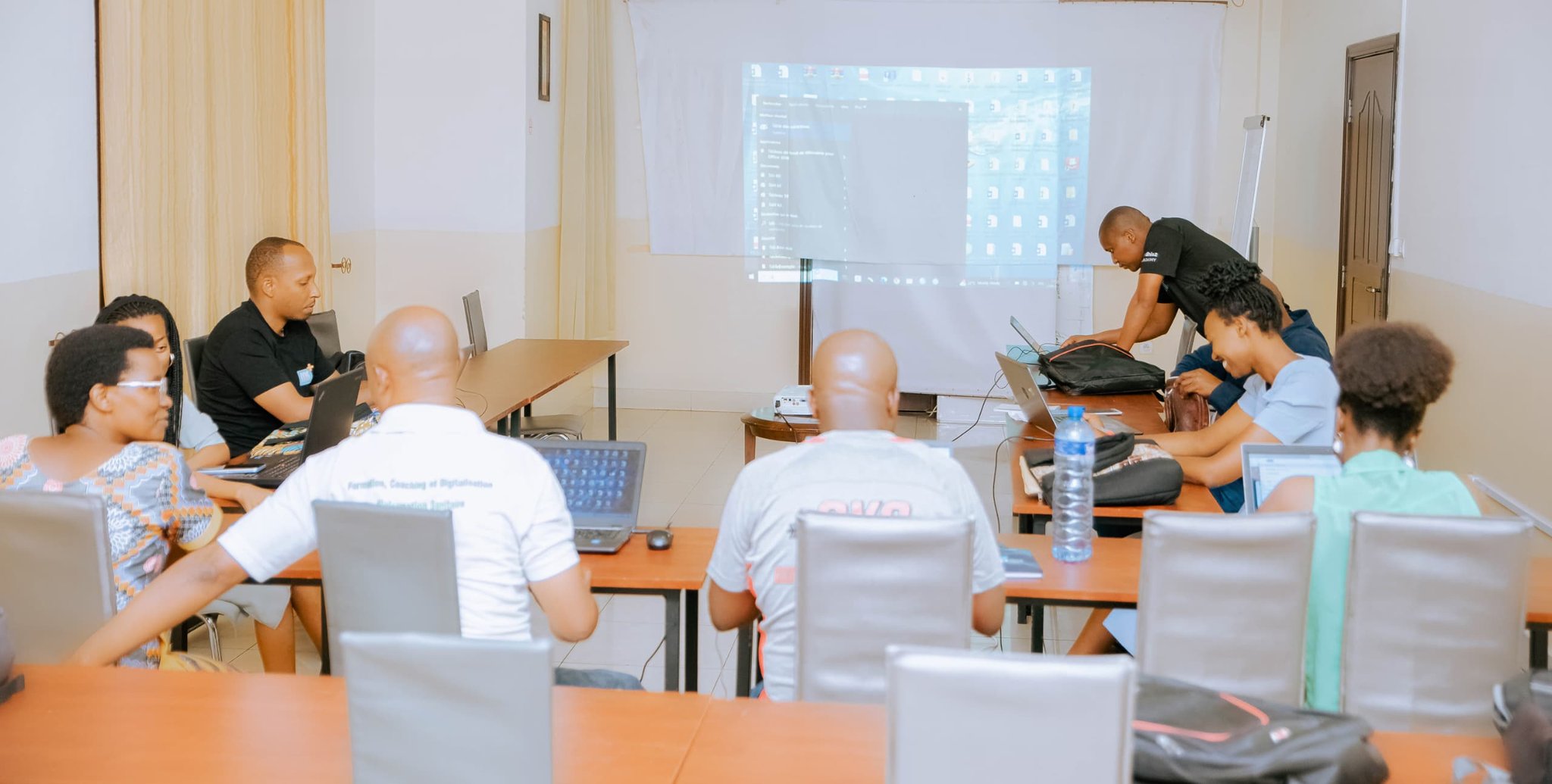
Through customised training workshops in biostatistics, epidemiology, research design, and data analysis, ARNECH strengthens local research capacity. Interns, junior researchers, and health professionals across Burundi receive hands-on training alongside ARNECH's senior team on live projects.
ARNECH partners with Library without Borders to expand access to scientific literature and educational resources in Burundi, reducing the knowledge gap between resource-constrained settings and global research communities.
ARNECH team members serve as academic supervisors and mentors for master's and doctoral students across Burundian and international universities, building the next generation of African researchers and public health leaders.
Addressing inequality — whether in health access, financial opportunity, or educational resources — is a thread running through all of ARNECH's work. We apply disaggregated analysis by gender, geography, income, and ethnicity to expose and address structural disparities.
Research on antenatal care coverage in Burundi (2023) used spatial analysis to identify underserved communities and predictors of non-utilisation. Studies on hypertension prevalence (2021) and childhood infections and health financing in Ghana (2022) applied socioeconomic stratification to understand how inequality shapes health outcomes.
ARNECH's financial inclusion research and mobile money studies specifically examine gender dimensions — analysing how women's access to financial services differs from men's, and what policy levers can close those gaps in Burundian and regional contexts.
In 2025, ARNECH co-authored research on perceptions of vaginal self-sampling for cancer detection among diverse groups of women, contributing to equity in gynaecological cancer screening access.
ARNECH operates at the intersection of academia, government, civil society, and international organisations — building the multi-stakeholder partnerships that the SDG agenda requires. Our collaboration model bridges global scientific excellence with local implementation capacity.
ARNECH's research is conducted in collaboration with Harvard University, the Oxford Big Data Institute, and the Institute for Health Metrics and Evaluation (IHME) — placing Burundian research on the global scientific stage and building South-North knowledge exchange.
Working with the Burundi Ministry of Health, WHO Burundi, and the Netherlands Embassy, ARNECH translates research findings into policy recommendations and supports national health programme design and monitoring.
Co-founder Nestor Ntakaburimvo served as MEL Lead for HIV Care at ICAP Columbia University / USAID (2023–2025), directly applying ARNECH's monitoring and evaluation expertise to one of the most significant global health funding partnerships in Burundi.
ARNECH's financial inclusion research is funded through the African Economic Research Consortium (AERC), integrating ARNECH into the continent's leading network of development economists and policy researchers.
Whether you are a government, NGO, funder, or academic institution — ARNECH is ready to partner on SDG-aligned research and consulting.
A track record of strategic consulting, monitoring & evaluation, and technical assistance delivered to governments, international agencies, and development partners across Africa.
Led comprehensive field research for the thematic evaluation of Vétérinaires Sans Frontières-Belgique's Support to Vulnerable Households Approach in Burundi. Conducted over 60 Key Informant Interviews (KIIs) and 16 Focus Group Discussions (FGDs) across five provinces. Coordinated fieldwork efficiently, providing daily progress updates and maintaining accurate trackers. Delivered high-quality English transcripts and notes meeting all MSA Stage I & II Data Quality Assurance (DQA) standards.
Conducted a national multi-sectoral needs assessment across all 18 provinces of Burundi, covering 5,146 households and 89,000 individuals. Produced detailed data tables for analysis on internal displacement trends and vulnerabilities to inform the Humanitarian Needs Overview (HNO) and guide humanitarian planning and policy at national and international levels.
Analysed the determinants of mobile money adoption in Burundi across gender and location (urban/rural) perspectives. Led all field research activities including data collection and survey implementation across target populations. Co-authored a published research report and a policy brief, and presented findings at an in-country dissemination workshop for policymakers, financial sector stakeholders, and development partners.
ARNECH was contracted by Tearfund as Baseline Study Consultant under a formal consultancy agreement signed in May 2023. The engagement tasked ARNECH with conducting a rigorous baseline study providing foundational data and benchmarks for Tearfund's programme in Burundi. Dr. Arnaud Iradukunda represented ARNECH as Director throughout the assignment. The contract was governed by Burundian law and executed in accordance with Tearfund's international consultancy standards.
ARNECH conducted the endline evaluation of the URWARUKA RUZI project — "Des Bibliothèques Numériques au Service de la Sensibilisation Communautaire en Santé Sexuelle et Reproductive pour les Adolescents et Jeunes du Burundi" (Digital Libraries for Community Awareness on Sexual and Reproductive Health for Adolescents and Youth in Burundi). The evaluation measured end-of-project outcomes, knowledge and behaviour change indicators, and programme effectiveness in reaching adolescents and youth with sexual and reproductive health information via digital library platforms. Formally certified as successfully completed by Bibliothèques Sans Frontières.
ARNECH successfully conducted the final evaluation of the project "Des Outils Numériques dans les Communautés de Base pour les Enfants Vulnérables, Facteurs de Maintien et de Réinsertion Scolaire et Sociale" (Digital Tools in Grassroots Communities for Vulnerable Children as Factors of School Retention and Social Reintegration). The evaluation assessed programme outcomes, impact, and sustainability across target communities in Burundi. Successful completion was formally certified by Bibliothèques Sans Frontières in an Attestation de Bonne Exécution issued in August 2025.
Trained and mentored 25 Burundian young people during the 2022 Menya-Make camp. Co-designed and delivered training modules on critical thinking, ethics, and professional soft skills. Documented best practices and learning outcomes to support the Menya-Opportunities programme's scale-up strategy and organisational learning model.
Led data quality assurance and real-time monitoring for health surveys conducted in partnership with WHO, UNICEF, and Burundi's Ministry of Health. Responsibilities included tool and protocol development, KoBoToolbox XLS form configuration, enumerator training and supervision, and advising on context-appropriate evaluation methods to ensure data integrity and operational efficiency across survey implementations.
Conducted a quasi-experimental impact assessment for rural development initiatives in Tanzania, applying Propensity Score Matching (PSM) and Difference-in-Differences (DiD) methodologies to rigorously evaluate programme effectiveness and attribute outcomes to the intervention, generating credible causal evidence for programme learning and reporting.
Co-authored an evaluation of health financing reforms and their impact on childhood infection rates in Ghana (BMC Public Health, 2022). The study applied quasi-experimental methods to assess the effect of the National Health Insurance Scheme on child health outcomes, contributing evidence to inform health financing policy design in low- and middle-income countries.
Performed a spatio-temporal analysis of community-directed ivermectin treatment coverage across Burundi in support of the WHO 2030 Neglected Tropical Disease roadmap. Used GIS and spatial statistics to identify coverage gaps, treatment failure hotspots, and targeting priorities, informing programme adjustments by the Ministry of Health and WHO Burundi.
Designed and implemented a baseline health status assessment for an integrated nutrition intervention targeting infants and children in Burundi. Subsequently conducted a difference-in-difference impact evaluation examining intervention effects on child health indicators (BMC Nutrition, 2020). Delivered actionable recommendations to programme managers and donors on scale-up strategy.
ARNECH provides consultancy services to governments, international agencies, NGOs, and academic institutions. Contact us to discuss your research, evaluation, or strategic consulting needs.